Why Make Freezer-Friendly Dinners?
Freezing complete dinners is a practical way to ensure you always have a home-cooked meal ready, even on the most chaotic evenings. By dedicating a few hours to batch cooking, you can create multiple portions of your favorite dishes that are ready to reheat whenever you need them. This approach not only reduces the daily stress of deciding what to cook but also helps you avoid the temptation of last-minute takeout.
The benefits extend beyond convenience. Cooking in bulk allows you to buy ingredients in larger quantities, often saving money. It also helps with portion control, as you can freeze individual servings that are just the right size for each family member. For busy households, having a stock of ready-to-go dinners means you can enjoy nutritious, balanced meals without the time commitment on weeknights.
- Save time on busy nights: No need to cook from scratch every evening.
- Reduce food waste: Use up ingredients before they spoil by cooking and freezing them.
- Control portions and ingredients: Know exactly what's in your food and how much you're eating.
- Enjoy a variety of meals: Prepare different dishes in one session to avoid boredom.
Sources: Pinterest (Jana Dziak | The Peasant's Daughter), Pinterest (Souper Cubes)
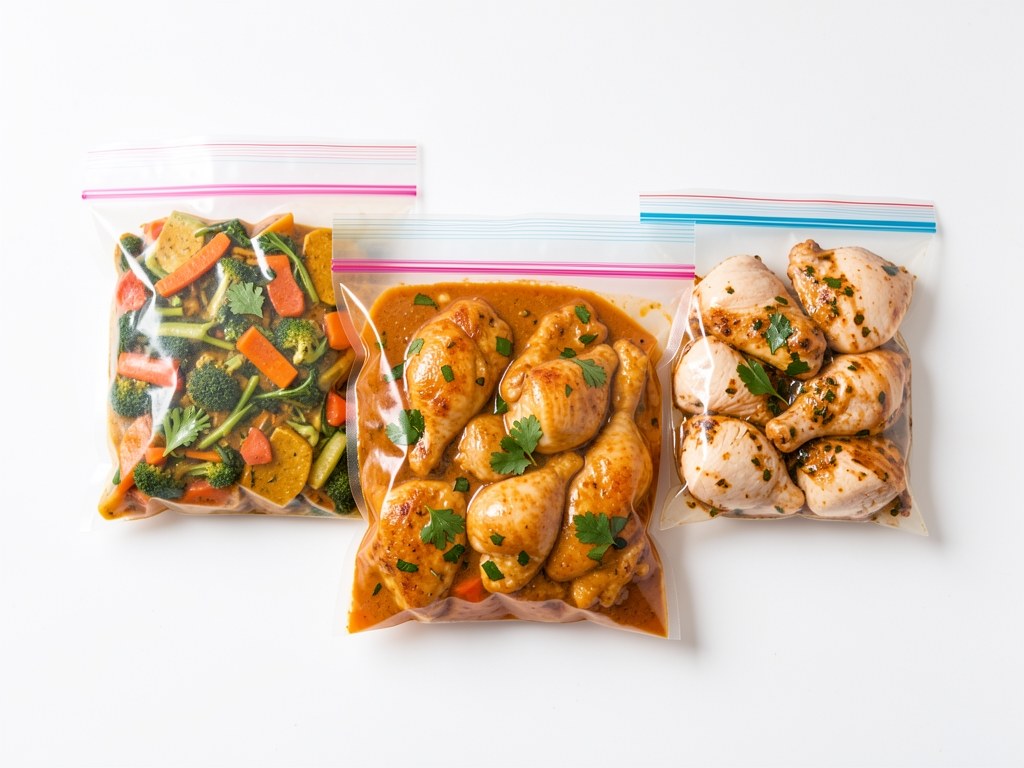
Which Recipes Freeze Well and Which to Avoid
Not all dishes are created equal when it comes to freezing. Understanding which foods maintain their texture and flavor after thawing is key to successful freezer cooking. In general, dishes with a high liquid content, such as soups, stews, and casseroles, freeze exceptionally well. Meats with marinades or sauces also freeze and reheat nicely, as do fillings and sauces on their own.
On the other hand, some ingredients do not hold up well to freezing and thawing. Lettuce, cucumbers, and bean sprouts become limp and watery, while raw potatoes can turn grainy. Hard-boiled eggs get tough and rubbery, and dairy products like cream, yogurt, and sour cream can separate and become watery. Cooked pasta and cooked leafy greens can also be problematic, often becoming mushy or losing their structure when reheated. If you want to freeze a pasta dish, consider slightly undercooking the pasta to help it survive the freezing process better.
- Freeze well: Soups, stews, casseroles, marinated meats, sauces, fillings, chilis, and most cooked beans.
- Freeze with caution: Cooked pasta and rice may become softer but can be acceptable if slightly undercooked first.
- Avoid freezing: Fresh lettuce, cucumbers, bean sprouts, raw potatoes, hard-boiled eggs, and creamy dairy sauces.
Sources: Fabulessly Frugal, Pinterest, Pinterest (Souper Cubes)
Step-by-Step Batch Cooking and Freezing Process
The key to successful freezer batch cooking is a systematic approach that maximizes efficiency while ensuring food safety. Start by planning your meals and making a shopping list. Choose recipes that freeze well and plan to cook a few of them in one session. Before you begin, clear space in your freezer and gather all your containers and labels.
When you're ready to cook, prepare each dish according to its recipe, but consider doubling or tripling quantities. Allow cooked food to cool completely before portioning it into containers. This is an essential step because placing hot food directly into the freezer can raise the freezer's temperature and cause ice crystals to form, which can degrade the quality of your meals. Once cooled, divide the food into individual or family-sized portions, leaving a little headspace in containers to allow for expansion during freezing.
After filling your containers, seal them tightly and label each with the name of the dish and the date. For easy stacking and organization, use flat, rectangular containers. Finally, place the containers in the freezer, making sure not to overcrowd them so air can circulate. For best results, use the frozen meals within three months, though they may be safe to eat for longer.
- Plan your meals and gather supplies: Choose 2–3 freezer-friendly recipes, check your freezer space, and ensure you have enough containers and labels.
- Shop for ingredients: Buy enough for multiple batches of your chosen recipes.
- Cook in bulk: Prepare your recipes in large quantities, following the directions for any necessary adjustments.
- Cool food completely: Allow cooked dishes to reach room temperature before freezing to prevent ice crystals and ensure even freezing.
- Portion into containers: Divide the food into meal-sized portions, leaving about ½ inch of headspace in rigid containers.
- Seal tightly: Use airtight lids or zip-top freezer bags, removing as much air as possible.
- Label each container: Write the dish name and the date on a label or with a permanent marker.
- Freeze promptly: Place labeled containers in the freezer, arranging them so air can circulate.
- Use within recommended time: For best quality, consume frozen dinners within 3–6 months.
Sources: Fabulessly Frugal
Containers, Labeling, and Organization
Choosing the right containers is crucial for maintaining food quality and preventing freezer burn. Airtight containers and high-quality freezer bags are recommended to keep out air and moisture, which can degrade your food. Many cooks prefer glass containers with snap-lid closures because they are transparent, making it easy to identify contents, and they're safe to use in the microwave for reheating.
When using plastic containers, ensure they are labeled as freezer-safe to avoid cracking at low temperatures. For soups and stews, freezer bags can save space, but be sure to lay them flat to freeze, then stack them upright. Labeling is equally important: always note the dish name and date you froze it. This simple practice prevents mystery meals and helps you use the oldest items first, reducing waste.
An organized freezer also makes a difference. Group similar meals together and create a simple inventory list on your phone or a notepad. This way, you can see at a glance what you have and plan your weekly menu around it. By keeping your freezer tidy, you'll be more likely to use what you've prepared.
- Glass containers with snap lids offer visibility and are microwave-safe.
- Freezer-safe plastic containers and heavy-duty zip-top bags are also effective.
- Always label with the name of the dish and the date frozen.
- Cool food completely before freezing, and leave headspace to allow for expansion.
- Organize freezer by meal type or date, and keep an inventory list.
Sources: Fabulessly Frugal, Pinterest (Jana Dziak | The Peasant's Daughter)
Safe Thawing and Reheating Methods
Proper thawing and reheating are essential for both food safety and maintaining the taste and texture of your frozen dinners. The most reliable method is to thaw your meal in the refrigerator overnight. This slow, cool thaw keeps the food at a safe temperature throughout the process. Simply transfer the frozen container from the freezer to the fridge the night before you plan to eat it.
If you're short on time, you can reheat some meals directly from frozen using a slow cooker or pressure cooker, such as an Instant Pot. Many recipes are adapted for this, but you may need to add extra liquid, such as broth or water, to ensure even cooking and prevent burning. Always check that the food reaches a safe internal temperature throughout before serving. For most leftovers, that's 165°F (74°C).
- Thaw in the refrigerator overnight for best results.
- Reheat directly from frozen in a slow cooker or pressure cooker, adding extra liquid if needed.
- Never thaw at room temperature; keep food in the fridge or use cold water (changing water every 30 minutes).
- Use thawed leftovers within 3 to 4 days.
- Ensure reheated food reaches an internal temperature of 165°F (74°C) to be safe.
Sources: Fabulessly Frugal, Pinterest
Three Sample Freezer-Friendly Dinner Menus
To help you get started, here are three sample menus with dishes that freeze and reheat well. These meal ideas can be adapted to suit your family's tastes and dietary needs. Batch-cook them on a weekend and enjoy homemade dinners for weeks to come. Each menu includes preparation, freezing, and reheating guidance so you can follow a systematic method.
- Menu 1: Classic Comfort - Prepare turkey chili, beef stew, and chicken noodle soup. For each, cook as directed, cool completely, then portion into individual containers. Freeze for up to 3 months. Reheat in a pot or microwave until steaming hot (165°F).
- Menu 2: Family Favorites - Prepare baked ziti with slightly undercooked pasta, chicken enchiladas, and meatballs in marinara sauce. Cool dishes completely, portion into baking dishes or freezer bags, and freeze. Reheat in the oven or microwave until bubbling and hot throughout.
- Menu 3: Simple and Healthy - Prepare lentil soup, chicken burrito bowls (freeze the filling separately from rice and toppings), and salmon cakes. Freeze in portions, leaving space for expansion. Reheat soup on the stove, burrito filling in a skillet, and salmon cakes in the oven.
Sources: Pinterest
Frequently asked questions
Can I freeze meals with pasta or rice?
Yes, you can freeze meals with pasta or rice, but they may change texture upon thawing. Pasta tends to become softer and can turn mushy when reheated. To minimize this, cook the pasta slightly undercooked (al dente) before freezing. For rice dishes, the rice may become a bit drier, so consider adding extra sauce or moisture when reheating. Soups and stews with rice or pasta freeze well, but it's often better to freeze the sauce or broth separately and add fresh-cooked starch when serving for best quality.
Sources: Fabulessly FrugalHow long can frozen dinners stay good?
Frozen dinners are safe indefinitely at 0°F (-18°C), but for best quality, consume within 3-6 months. The USDA suggests that cooked foods frozen at 0°F are safe indefinitely, but quality declines over time. For optimal flavor and texture, use your frozen meals within 3 months.
Sources: Fabulessly Frugal, Pinterest, Pinterest (Souper Cubes)Can I cook from frozen in the slow cooker?
Yes, you can cook many meals from frozen in a slow cooker. However, it's important to follow specific recipe instructions, as cooking times will be longer than if the food were thawed. Some recipes may require extra liquid to prevent sticking or ensure even cooking. The USDA recommends thawing meat before placing it in a slow cooker to ensure it reaches a safe temperature quickly, but many slow cooker recipes from trusted sources have been tested and provide safe instructions for cooking from frozen. Always check that the dish reaches an internal temperature of 165°F (74°C) before serving.
Sources: PinterestHow do I prevent freezer burn?
Freezer burn occurs when food is exposed to air in the freezer, causing moisture to evaporate and the food to become dry and discolored. To prevent it, use airtight containers or high-quality freezer bags, removing as much air as possible before sealing. Press out excess air from bags, or use a vacuum sealer if you have one. Also, ensure your freezer maintains a consistent temperature of 0°F (-18°C) or below, and avoid frequent opening of the freezer door, which can cause temperature fluctuations.
Sources: Fabulessly Frugal, Pinterest (Jana Dziak | The Peasant's Daughter)Sources
- 30 Healthy Dinner Recipes That Are Easy and Family-Friendly — Fabulessly Frugal
- 24 Family-Friendly Freezer Meals for Busy Weeknights — Pinterest (Jana Dziak | The Peasant's Daughter)
- Freezer Friendly Dinner Recipes — Pinterest
- Freezer Friendly Soups Healthy Recipes — Pinterest
- Discover 62 Freezer Friendly Dinner Recipes and recipes ideas on this Pinterest board — Pinterest (Souper Cubes)