What Dinner Meal Prep Means and Why It Works
Meal prep for dinners means setting aside a block of time—often on a weekend or a day off—to wash, chop, cook, and portion ingredients or full meals for the upcoming week. Instead of starting from scratch each evening, you pull together a ready-to-reheat dish or quickly assemble a meal from prepped components. This approach helps busy households save time, reduce last-minute takeout decisions, and keep balanced eating on track.
The concept is flexible: you can fully cook and portion entire dinners, or you can prep building blocks like roasted vegetables, cooked grains, and marinated proteins. Even a little preparation—like chopping onions and washing greens—can significantly reduce your weeknight prep time. If you are new to meal prep, the benefits become clearer once you have a few successful sessions under your belt.
- Saves time on busy weeknights by spreading cooking across the week.
- Reduces decision fatigue: you already know what is for dinner.
- Supports balanced eating by making nutritious choices convenient.
- Helps manage portions and reduce food waste when you plan carefully.
Sources: Pinterest
Essential Tools and Containers to Get Started
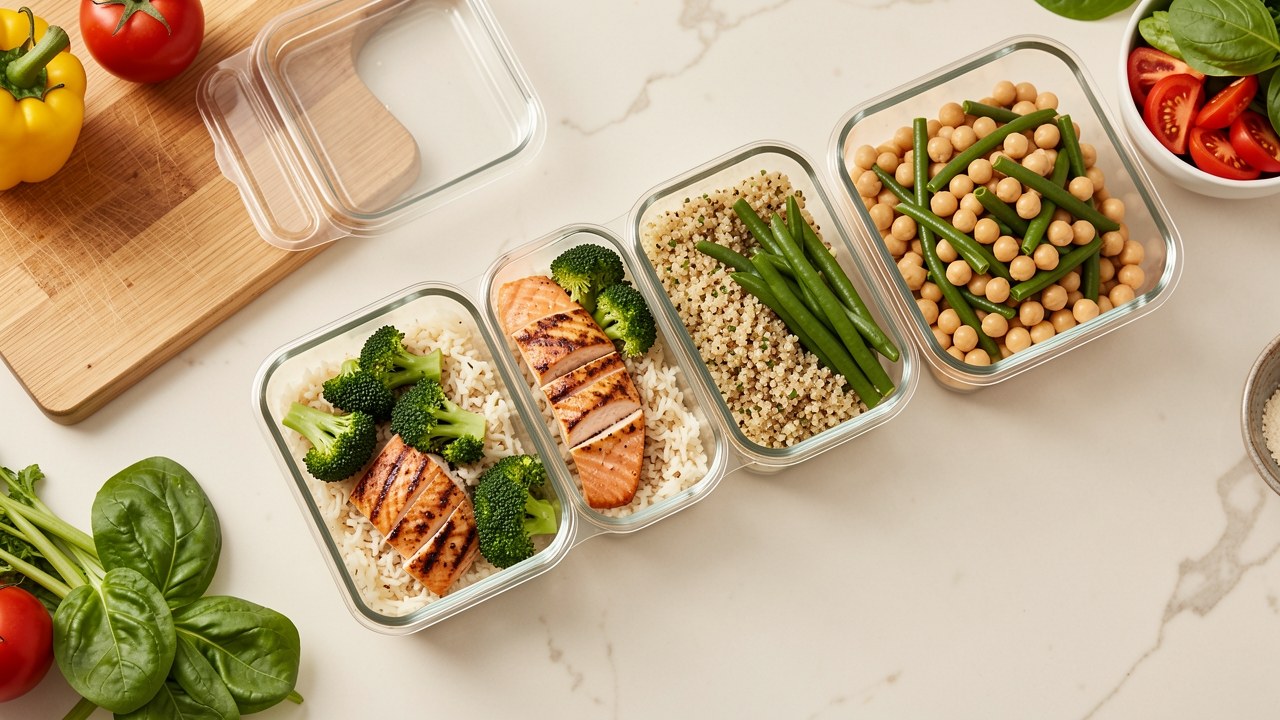
You do not need a professional kitchen to meal prep. A few basic tools and a good set of containers will set you up for success. Pinterest boards and cooking communities often show meals packed in individual plastic containers, which can help with portion control and grab-and-go convenience. However, the style of container you choose matters less than fit and safety.
For most household meal prep, you will want containers that are microwave-safe and freezer-safe (if freezing) and that seal tightly to prevent leaks and spills. Glass containers are heavier but versatile and do not stain; BPA-free plastic containers are lightweight and budget-friendly. You will also want a set of sharp knives, a large cutting board, sheet pans, and a few pots or pans for batch cooking.
- Containers: microwave-safe, leak-proof, and ideally freezer-safe.
- Tools: sharp knife, cutting board, sheet pans, and a large pot or skillet.
- Labels: use tape and a marker to date everything you store.
Sources: Pinterest
How to Plan a Week of Dinners That Fit Meal Prep
Planning is the backbone of successful meal prep. Start by looking at your week: which nights are likely to be rushed, and which nights might allow for a slightly longer cook? Choose meals that share common components to make your prep time efficient. For example, if you roast a large tray of vegetables, you can use them in grain bowls one night and as a side to grilled chicken another.
Aim for variety in colors and protein sources. Consider high-protein options, like ground beef or chicken, and include vegetables of different colors. Popular meal prep ideas often highlight dishes like ground beef lettuce wraps, which are low-carb and protein-packed. Keep in mind that some foods hold up better than others; sturdy vegetables, rice, quinoa, and many protein dishes reheat well, while delicate greens are best added fresh.
When you are planning, write out your meals and identify which parts you will prep. For a simple routine, you might pick three dinners to prepare fully, and two dinners to prep partially. This approach reduces monotony while keeping your Sunday afternoon manageable.
Sources: Pinterest
Step-by-Step Prep Process: From Shopping to Storing
Following a clear sequence makes meal prep less chaotic. Here is a method that works for many households, whether you are meal prepping for the week or just a few dinners.
Start by reviewing your meal plan and making a shopping list. Buy ingredients with an eye toward what can be prepped ahead. When you return from the store, dedicate an hour or two to the following steps.
- Wash and dry produce. Chop sturdy vegetables like peppers, onions, and broccoli, and store them in airtight containers.
- Cook grains in bulk, such as rice, quinoa, or farro, and spread them on a sheet pan to cool quickly.
- Prepare proteins: season and cook chicken, ground beef, or tofu in a large batch. Ground beef can be crumbled and used in several dishes.
- Assemble or portion meals. For fully prepped dinners, fill individual containers with a protein, a grain, and vegetables.
- Label each container with the dish name and date. Store in the refrigerator or freezer, depending on when you plan to eat them.
Sources: Pinterest
Storing Prepped Dinners Safely
Safe storage is crucial when you are preparing food in advance. Cooked leftovers should be refrigerated promptly after cooking, and using them within a few days is a common guideline. Freezing can extend the shelf life of many dishes, but not all foods freeze well. For example, creamy sauces and dishes with high water content may separate or become watery upon thawing.
To reheat meal-prepped food without drying it out, add a splash of water or broth to rice or vegetables, and cover the container loosely with a damp paper towel or a microwave-safe lid. Stir halfway through heating to promote even warming. For oven reheating, cover with foil to trap moisture.
Popular platforms like Pinterest can offer visual inspiration, but they are not authoritative sources for food safety guidelines. For specific recommendations, it is always best to consult official food safety organizations.
- Refrigerate cooked leftovers promptly after cooking.
- Freeze for longer storage, but be aware that some foods do not freeze well.
- Reheat gently with added moisture to avoid drying out.
Sources: Pinterest
Sample Meal Prep Plan for Three Weeknight Dinners
To see meal prep in action, here is a sample plan for three dinners that share components. This plan is a starting point—you can adjust it to your family's tastes and dietary needs.
For the week, cook a large pot of quinoa, roast a sheet pan of mixed vegetables (like bell peppers, zucchini, and carrots), and prepare two proteins: ground beef seasoned with taco spices and chicken breasts with herbs. Then use these building blocks to create three distinct dinners.
| Night | Dinner Idea | Components Used | Prep Notes |
|---|---|---|---|
| Monday | Taco lettuce wraps | Ground beef, lettuce, salsa, avocado | Serve in crisp lettuce leaves; prep extra salsa. |
| Wednesday | Chicken and roasted vegetable grain bowls | Quinoa, roasted vegetables, sliced chicken | Reheat gently; add a squeeze of lemon. |
| Friday | Ground beef and vegetable stir-fry | Ground beef, quinoa, vegetables | Use a quick stir-fry sauce; serve over quinoa. |
Sources: Pinterest
Troubleshooting Common Meal Prep Mistakes
Many meal prep attempts hit snags, but you can fix them with a few adjustments. One common mistake is preparing too much of a dish that does not reheat well, leading to sad leftovers. Another is not letting food cool before refrigerating, which can affect texture and temperature of other items.
To avoid blandness, season generously and consider adding fresh herbs or a squeeze of citrus after reheating. If you find that some meals lose their appeal by day three, plan to eat those first. Variety is also important—meal prepping five identical dinners can lead to boredom. Instead, prepare a couple of different meals and rotate.
- Do not overcook vegetables; aim for slightly crisp so they reheat better.
- Cool food quickly before storing to maintain quality.
- Use a variety of textures and sauces to keep meals interesting.
- Portion carefully to avoid waste and keep calorie goals realistic.
Sources: Pinterest
Frequently asked questions
How long can meal-prepped food last in the fridge?
Cooked leftovers should be refrigerated promptly after cooking and generally used within a few days for best quality. If you plan to eat a meal-prepped dish later than that, freezing is a better option. Always label containers with the date so you know when to use them by.
Sources: PinterestCan I freeze meal-prepped dinners?
Yes, many meal-prepped dinners freeze well, but not all foods do. Freeze in airtight containers or freezer-safe bags, leaving a little room for expansion. Foods with creamy sauces or high moisture content may change texture when thawed. For best quality, use frozen meals within a few months.
Sources: PinterestWhat are the best containers for meal prep?
The best containers are leak-proof, microwave-safe, and ideally freezer-safe. Glass containers are durable and do not stain, while BPA-free plastic containers are lightweight and often less expensive. Choose a size that fits your typical portions, and consider having a mix of single-compartment and multi-compartment containers for different meals.
Sources: PinterestHow do I reheat meal-prepped food without drying it out?
To keep food moist, add a splash of water or broth to rice or vegetables before reheating, and cover the container with a damp paper towel or a microwave-safe lid. Stir halfway through heating. For oven reheating, cover with foil to trap steam. Avoid overcooking, which can dry out proteins.
Sources: PinterestSources
- Meal Prep Healthy Dinner Recipes — Pinterest
- Healthy Dinner Recipes Meal Prep — Pinterest
- Healthy Dinner Meal Prep — Pinterest
- Healthy Meal Prep Ideas for Dinner — Pinterest
- Healthy Meal Prep Recipes Dinner — Pinterest
- Meal Prep Dinner Ideas Healthy — Pinterest