Building a Family-Friendly Dinner Rotation
A well-planned dinner rotation takes the guesswork out of weeknight cooking. Start by setting aside time each week to plan meals, write a shopping list, and check your pantry for staples like canned beans, whole grains, eggs, and frozen vegetables. These basics let you pull together healthy meals quickly and affordably.
To keep planning simple, consider assigning a theme to each night, such as Mexican, pizza, or pasta. This approach narrows choices and makes it easier to rotate a variety of nutritious dishes. You can also prepare in advance by cooking larger batches of lean ground beef or turkey on weekends to use in chili or spaghetti later, and freeze portions for especially busy days.
- Plan a weekly menu and build your grocery list around it.
- Stock pantry staples like canned beans, whole grains, eggs, and frozen vegetables.
- Cook extra lean protein on weekends and freeze for quick weeknight meals.
- Use theme nights to simplify decision-making.
Sources: USDA SNAP-Ed Connection, Yummy Toddler Food
Healthy Dinner Concepts Kids Usually Like
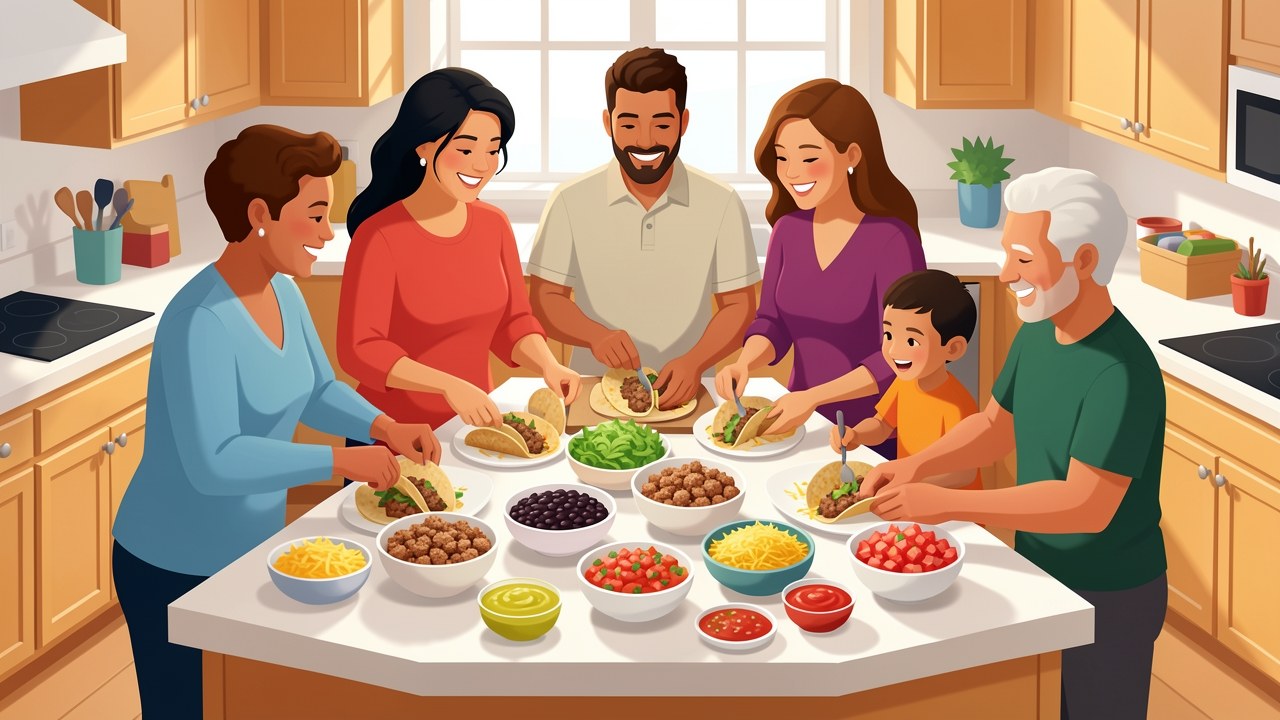
When choosing meals for kids, focus on dishes that are easy to eat and offer a good mix of nutrients. It’s fine to combine homemade, store-bought, or a mix of both. Common family favorites include build-your-own taco bowls, whole-grain pasta with a simple tomato sauce and hidden veggies, and sheet-pan chicken with roasted sweet potatoes and broccoli. These meals are flexible and typically appeal to a range of ages.
Presentation matters, too. Cutting foods into fun shapes, offering colorful vegetables, or letting kids assemble their own plates can make dinner more engaging. But remember, the goal is a balanced plate: include a lean protein, a whole grain, and plenty of vegetables, and adjust portions based on your family’s needs.
- Build-your-own taco or burrito bowls
- Pasta with marinara and grated vegetables
- Sheet-pan chicken and roasted vegetables
- Stir-fries with rice or noodles
- Quesadillas with beans and cheese
Sources: USDA SNAP-Ed Connection, Yummy Toddler Food
Adapting Recipes for Different Tastes
Instead of cooking separate meals for each family member, make one meal and set aside plain portions before adding stronger flavors. This works well for dishes like casseroles, stews, or grain bowls. For picky eaters, consider deconstructing the meal—serve components separately so each person can choose what to eat.
Also, ensure at least one preferred food is on the table, such as a familiar side dish or fruit salad. This helps children feel included and less pressured. If a child refuses a new dish the first time, see it as a step toward acceptance; repeated exposure is key.
- Set aside plain portions for kids before adding sauces or spices.
- Serve components separately so kids can assemble their own plates.
- Include at least one familiar food at every meal.
- Don't stress if a new dish is refused at first—exposure helps.
Sources: USDA SNAP-Ed Connection, NYT Cooking, Cubby
Involving Kids in Meal Planning and Prep
Getting kids involved in the kitchen can increase their interest in eating what they helped make. Assign age-appropriate tasks such as washing fruits and vegetables, choosing which vegetable to serve, setting the table, or measuring ingredients. Even simple tasks help children feel a sense of ownership.
You can also let each family member pick a meal for the weekly menu. This reduces complaints and gives kids a chance to explore new foods they chose themselves. When children help prepare a dish, they are often more excited to taste it.
- Have kids pick a vegetable or side dish for the meal.
- Assign simple prep tasks: washing, measuring, stirring.
- Let each family member select one dinner for the week.
- Praise their help and enjoy the meal together.
Sources: USDA SNAP-Ed Connection, CSNN National Page
Quick Side Dishes That Round Out the Meal
A simple side can make a weeknight dinner feel complete without adding much work. Frozen vegetables are a lifesaver—steam or roast them with a little olive oil and seasonings. Other quick options include a crisp green salad, steamed rice or quinoa, or whole-grain bread. You can also prepare a fruit salad as a naturally sweet addition that appeals to many kids.
Balance your plate using familiar visual cues: fill half with vegetables and/or fruits, a quarter with whole grains, and a quarter with lean protein. This structure is a helpful starting point for family meals, though individual needs vary.
- Steamed or roasted frozen vegetables
- Simple green salad with a light vinaigrette
- Whole grains like rice, quinoa, or whole-wheat pasta
- Sliced fruit or fruit salad
Sources: USDA SNAP-Ed Connection, NYT Cooking
Frequently asked questions
How do I create a family meal plan that everyone likes?
Start by involving everyone: let each family member choose a meal for the weekly menu, and plan theme nights to simplify choices. Build a shopping list from your plan and stock staples. When cooking, set aside plain portions before adding stronger flavors so each person can customize their plate. This approach reduces complaints and helps ensure everyone finds something they enjoy.
What are healthy dinner ideas that are also fun for kids?
Fun and healthy ideas include build-your-own taco or burrito bowls, spaghetti with hidden vegetables, and sheet-pan chicken with colorful veggies. You can also let kids assemble their own pizzas on whole-wheat tortillas with tomato sauce, cheese, and veggie toppings. Involving kids in the preparation makes the meal more enjoyable and encourages them to try what they made.
How can I get my kids to eat more vegetables at dinner?
Offer a variety of vegetables, including frozen options for convenience, and include at least one favorite side dish every night. Try deconstructing meals so kids can choose which vegetables to add. Involve them in selecting and preparing vegetables—when they help wash, chop, or arrange veggies, they’re often more willing to taste them. Remember that repeated exposure works: don't give up if they refuse a new vegetable the first time.
What are some make-ahead family meal options?
Cook larger batches of lean ground beef or turkey on the weekend and use them for chili, spaghetti sauce, or taco filling during the week. Freeze portions of soups, stews, or casseroles for especially busy evenings. You can also prep components like cooked grains, roasted vegetables, and marinated proteins ahead of time, then assemble quick meals throughout the week.
Sources
- [PDF] MAKE EASY AND HEALTHY FAMILY MEALS! — USDA SNAP-Ed Connection
- Master List of Healthy Family Meals (Kid-Approved) — Yummy Toddler Food
- Guide to Meal Planning for Busy Families: 8 Quick, Easy, Healthy Dinner Ideas for Your Family — CSNN National Page
- Easy, Kid-Friendly Dinner Ideas for the Whole Family — NYT Cooking
- 32 Easy Kid-Friendly Dinners for Picky Eaters — Cubby