Why One-Pot Dinners Save Time and Energy
For busy families, weeknight cooking often needs to be quick and simple. One-pot dinners answer that need by combining the main elements of a meal into a single pot, skillet, or Dutch oven. The result is less time spent at the stove and far less cleanup, since most of the meal comes together in one vessel. These recipes often feature fast prep and easy cooking, making them a go-to for hectic evenings.
Beyond saving time, one-pot cooking can also help you eat more balanced meals. Because everything cooks together, you can build a complete plate with protein, vegetables, and a grain or legume in one step. And with fewer pots to wash, you might find it easier to stick to home cooking instead of reaching for takeout.
- Minimizes cleanup: Only one pot or skillet to wash after dinner.
- Saves energy: Less washing means less hot water and time spent cleaning.
- Streamlines prep: Many one-pot recipes use a single cooking process, no need to coordinate multiple dishes.
- Fosters everyday cooking: The ease encourages more home-prepared meals.
Sources: Healthy Family Project, Olivia Adriance, Moderately Messy RD
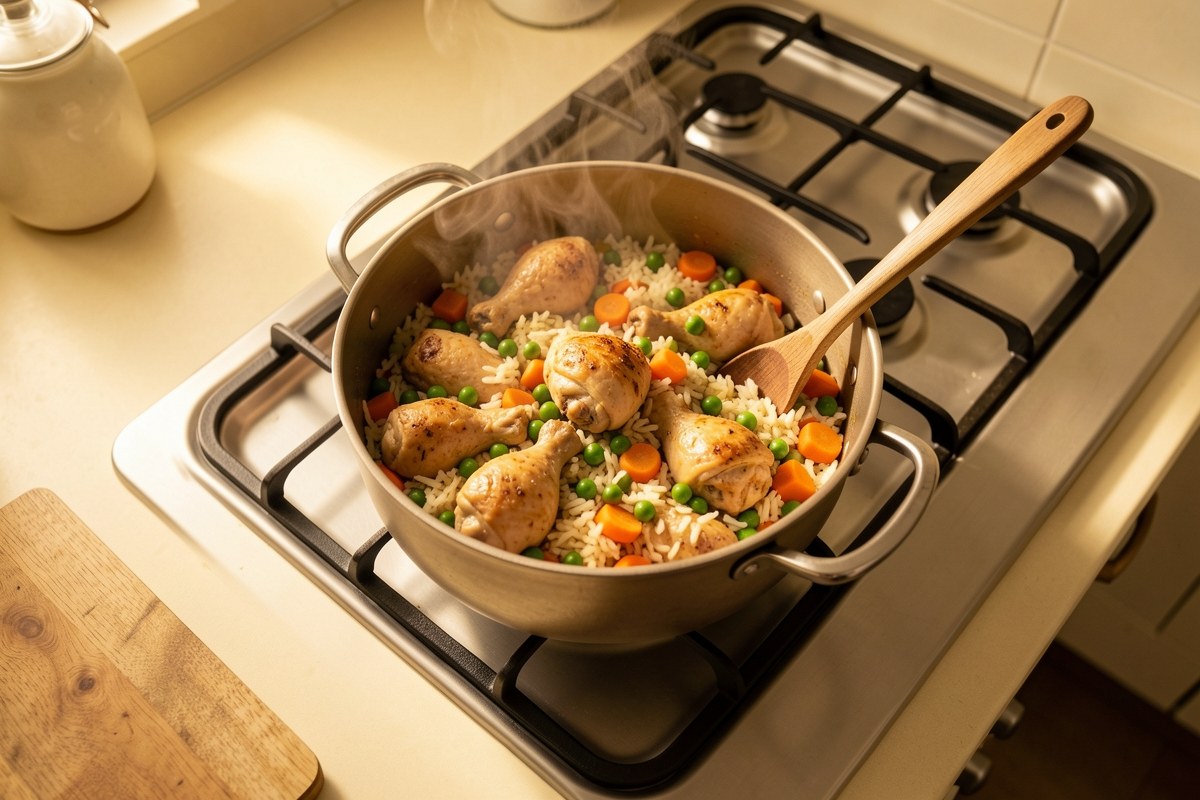
Building a Balanced One-Pot Meal
A healthy one-pot meal can be just as nutritious as a multi-dish dinner. The key is to include a source of protein, plenty of vegetables, and a wholesome carbohydrate like rice, quinoa, potatoes, or pasta. Healthy cooking oils and herbs or spices add flavor without heavy sauces.
When you plan a one-pot meal, think about the cooking times of your ingredients. Start with aromatics like onion and garlic, then add proteins and sturdier vegetables before quicker-cooking items go in. This way, all components finish at the same time and you get a well-textured meal.
- Protein: chicken, turkey, lean beef, fish, beans, lentils, tofu, or shrimp.
- Vegetables: broccoli, bell peppers, spinach, carrots, zucchini, tomatoes, or peas.
- Carbohydrates: brown or white rice, quinoa, whole-wheat pasta, potatoes, or sweet potatoes.
- Flavor: garlic, herbs, spices, lemon, and a modest amount of broth or olive oil.
Sources: Healthy Family Project, Olivia Adriance, Moderately Messy RD
One-Pot Chicken and Rice Meal Ideas
Chicken and rice is a classic one-pot combination. For example, you can build a simple lemon herb chicken and rice dish using boneless chicken breasts, long-grain white rice, chicken broth, lemon juice, and dried oregano. Sear the chicken first for flavor, then add rice and liquid and let everything simmer until the rice is tender. To make it a balanced meal, stir in broccoli florets or peas during the last few minutes of cooking, so they turn bright green and tender-crisp.
If you prefer a creamy version, a chicken and rice casserole with a small amount of cream cheese or Greek yogurt stirred in at the end gives richness without heavy sauce. Season with thyme or smoked paprika for extra depth. For a lighter option, use chicken breast and go easy on the oil. You can also swap white rice for brown rice, keeping in mind that brown rice needs a longer simmer and more liquid.
- Start with a seared protein to build flavor, then add rice and liquid.
- Choose a liquid like chicken broth to season the rice as it cooks.
- Add quick-cooking vegetables near the end to keep them vibrant.
- Finish with fresh herbs, lemon zest, or a spoonful of Greek yogurt for brightness.
Sources: Healthy Family Project, Cravings of a Lunatic
One-Pot Pasta and Vegetable Meal Ideas
One-pot pasta is a weeknight hero because you cook the pasta directly in a flavorful liquid instead of boiling it separately. That liquid might be broth with diced tomatoes, and the pasta absorbs those flavors as it softens. For a balanced dinner, add a protein like chicken, shrimp, or white beans, and plenty of vegetables such as spinach, zucchini, or bell peppers.
A flexible approach is to start by sautéing aromatics and any sturdy vegetables, then add your liquid and pasta. Bring to a simmer and cook, stirring now and then, until the pasta is nearly tender. For a creamy tomato and spinach version, add a splash of milk or a spoonful of tomato paste, then fold in fresh spinach at the end so it wilts. The starch released by the pasta helps create a light sauce without added cream.
- Cook pasta directly in seasoned liquid for more flavor.
- Use a wide pot so the pasta is mostly submerged and cooks evenly.
- Add sturdy vegetables early and delicate ones near the end.
- Stir occasionally to prevent sticking, but not too often or the pasta may break.
Sources: YouTube (Julia Pacheco), Moderately Messy RD
One-Pot Vegetarian Chili and Stew Meal Ideas
Vegetarian chilis and stews are naturally one-pot friendly. They are an easy way to use canned beans, lentils, and whatever vegetables you have on hand. For a simple chili, sauté onions, garlic, and bell peppers in a Dutch oven, add chili powder and cumin, then stir in diced tomatoes, beans, corn, and vegetable broth. Simmer until thick and fragrant, then finish with lime juice and fresh cilantro if you like. Serve with avocado or a dollop of Greek yogurt for creaminess.
Lentil stew follows a similar pattern: soften aromatics, add lentils, chopped carrots, and potatoes, then pour in broth and simmer until the lentils are tender. Because these dishes simmer for a while, they are also easy to adapt to a slow cooker. If you use a slow cooker, you can add all the ingredients at once, though browning the vegetables first adds more flavor. These meals freeze well, so you can make a double batch for later.
- Base the meal on beans or lentils for protein and fiber.
- Use a mix of vegetables for color and nutrition.
- Add spices like chili powder, cumin, and smoked paprika for depth.
- Let the pot simmer patiently to develop flavor.
Sources: Healthy Family Project, Olivia Adriance, Taste of Home
How to Adapt Recipes for Different Cookware
One-pot cooking works in many kinds of pots and pans, each with its own strengths. A Dutch oven is heavy and holds heat well, making it perfect for browning and then simmering stews or chilis. A deep skillet or sauté pan gives you more surface area, which is handy for pasta or rice dishes. If your only large pot is a stockpot, that can work too, though you may need to watch the heat level more closely.
For recipes meant for a stovetop, you can often switch to a slow cooker by adjusting the liquid. Slow cookers trap in moisture, so cut the amount of broth or water by about a quarter. For Instant Pot or other electric pressure cookers, the timing and liquid will be different, so follow tested recipes from reliable sources. Whatever you use, make sure it is large enough for the ingredients without crowding, and adjust the heat so the food simmers gently rather than boils hard.
- Dutch oven: best for searing and slow simmering.
- Deep skillet: allows quicker evaporation and easier stirring.
- Slow cooker: set-and-forget, but cut liquid because moisture doesn't escape.
- Instant Pot: fast, but use recipes written for pressure cooking.
Sources: Olivia Adriance, Cravings of a Lunatic, Moderately Messy RD
Common One-Pot Mistakes and How to Avoid Them
Even experienced cooks can run into trouble with one-pot meals. A frequent mistake is adding too much liquid, which leaves you with a soupy or mushy finished dish. Another is stirring too often, which can break up delicate ingredients or make rice sticky. Overcrowding the pot traps steam and stops browning, leaving meats and vegetables pale rather than golden.
To avoid these issues, start with less liquid than you think you need; you can always add a splash more. Make sure your pot is large enough so that when you brown meat or vegetables, they fit in a single layer. Stir only when needed to keep food from sticking. And be patient: let the pot come to a gentle simmer, not a rolling boil, and give the dish a few minutes to rest at the end so the flavors settle.
- Too much liquid: Add gradually, and keep in mind that ingredients release moisture as they cook.
- Overcrowding: Use a pot that lets food brown properly.
- Too much stirring: Let food form a crust before you turn it.
- Heat too high: A rapid boil can make grains and pasta mushy.
Sources: Healthy Family Project, YouTube (Julia Pacheco), Moderately Messy RD
Frequently asked questions
What should I keep in mind about liquid amounts for one-pot rice dishes?
The right amount of liquid depends on the type of rice, the pot, and the heat level. Many recipes provide specific amounts, so follow a tested recipe when you're starting out. As a general rule, you can add a little extra broth or water if the rice looks dry before it's tender, but it's harder to fix a dish that has too much liquid.
Sources: Taste of Home, Moderately Messy RDCan I use brown rice in one-pot recipes?
Yes. Brown rice is a whole grain with more fiber and nutrients than white rice. It takes longer to cook and needs more liquid, so you'll need to adjust the recipe. Increase the liquid and the simmering time according to the package directions, and be patient while it cooks.
Sources: Taste of Home, Moderately Messy RDHow do I avoid mushy pasta in one-pot meals?
Choose a wide enough pot that lets the pasta be mostly submerged in liquid. Use the amount of liquid suggested in your recipe, and cook the pasta just until al dente, since it will continue to soften as it rests. Stir gently but not constantly, and keep the heat at a simmer rather than a hard boil.
Sources: YouTube (Julia Pacheco), Moderately Messy RDCan I make one-pot dinners in a slow cooker?
Yes, many stews, chilis, and braised dishes can be made in a slow cooker. You typically add all ingredients and cook on low or high according to the appliance's instructions. For best flavor, brown meat and sauté aromatics first, then add them to the slow cooker. You may need less liquid than a stovetop recipe because the slow cooker traps steam.
Sources: Moderately Messy RDHow should I store one-pot meal leftovers?
Cool leftovers quickly and refrigerate them in airtight containers. For general food safety, follow official guidance from organizations like the USDA. Reheat leftovers until piping hot, and add a splash of water or broth if they seem dry.
Sources: Cravings of a LunaticSources
- 25 Healthy One Pot Meals for Quick Dinners — Healthy Family Project
- Healthy One Pot Meals - 22 Easy Dinner Recipes — Olivia Adriance
- 5 EASY & HEALTHY ONE-POT MEALS! | Cheap & Flavorful Recipes for Busy Weeknights | Julia Pacheco — YouTube (Julia Pacheco)
- One-Pot Recipes: 88 Easy One-Pot Meals for Busy Days — Taste of Home
- 30 Minute Chicken Vegetable Skillet Pasta — Cravings of a Lunatic
- 20 Healthy One Pot Meals with Minimal Ingredients for Busy Nights - Moderately Messy RD — Moderately Messy RD